Beyond the Golden Triangle: Hidden Heritage Gems Near Delhi, Agra & Jaipur Worth Exploring
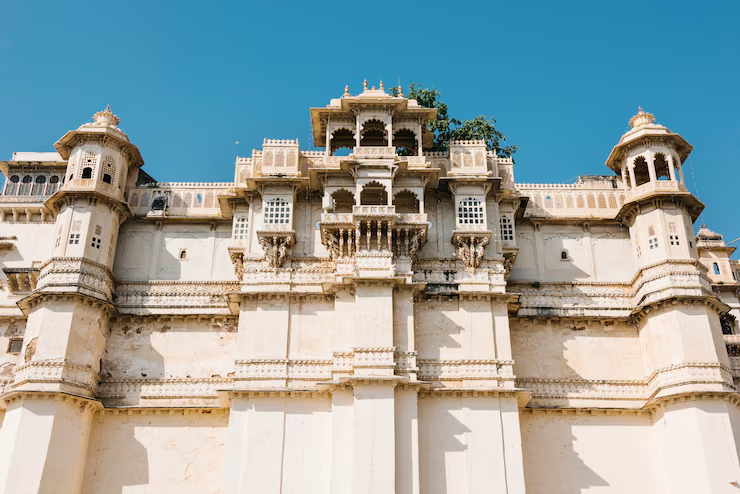
Explore hidden heritage gems beyond India’s Golden Triangle, including Orchha, Fatehpur Sikri, and Bundi for a richer cultural journey.
India’s Golden Triangle, covering Delhi, Agra, and Jaipur, remains one of the country’s most popular travel circuits. The route introduces travelers to grand forts, Mughal architecture, bustling bazaars, and royal palaces. However, while most visitors stop after completing these three iconic cities, there are several lesser explored destinations nearby that offer equally fascinating experiences with fewer crowds and deeper cultural immersion.
In 2026, travelers are increasingly looking beyond standard itineraries and discovering destinations that provide authentic heritage experiences and slower travel. Places like Orchha, Fatehpur Sikri, and Bundi perfectly complement the Golden Triangle while adding a unique dimension to the journey.
Fatehpur Sikri: The Forgotten Mughal Capital
Located approximately 40 kilometers from Agra, Fatehpur Sikri is often treated as a short stop rather than a destination of its own. Built by Mughal emperor Akbar in the 16th century, the city once served as the capital of the Mughal Empire before being abandoned due to water shortages.
The site is now recognized as a UNESCO World Heritage Site and is known for its remarkably preserved architecture. Structures such as Buland Darwaza, Jama Masjid, and Panch Mahal showcase a blend of Persian, Islamic, and Indian design influences. Unlike Agra’s busier tourist areas, Fatehpur Sikri offers a calmer atmosphere where travelers can truly appreciate the scale and artistry of Mughal planning. It is ideal for those interested in history, architecture, and cultural depth.

Orchha: A Riverside Heritage Town
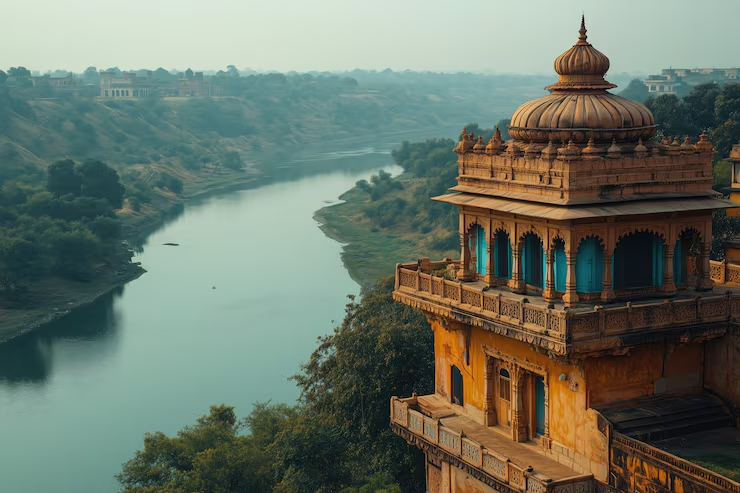
Orchha, situated on the banks of the Betwa River in Madhya Pradesh, is one of India’s most underrated heritage destinations. Once the capital of the Bundela Rajput kings, the town is known for its palaces, cenotaphs, and temples that remain remarkably intact.
The Orchha Fort Complex stands as the centerpiece of the town, featuring structures like Jahangir Mahal and Raja Mahal, both admired for their murals and architectural detail. The riverside cenotaphs create a striking silhouette during sunset, adding to the town’s timeless appeal.
Unlike larger tourist hubs, Orchha moves at a slower pace, allowing travelers to explore without crowds or rush. It is perfect for those seeking peaceful heritage travel combined with scenic beauty.
Bundi: Rajasthan’s Artistic Treasure
While Jaipur often dominates Rajasthan itineraries, Bundi offers a quieter and more intimate experience of the state’s royal heritage. Known for its stepwells, narrow lanes, and painted palaces, Bundi retains much of its old world charm.
The Taragarh Fort overlooks the town and provides panoramic views of the surrounding landscape. Equally impressive is the Bundi Palace, famous for its intricate murals and Rajput architecture.
Bundi is also home to several historic stepwells, locally known as baoris, which highlight the region’s traditional water management systems. The destination appeals to travelers looking for authentic Rajasthan beyond commercial tourism.
Why Travelers Are Exploring Beyond the Golden Triangle
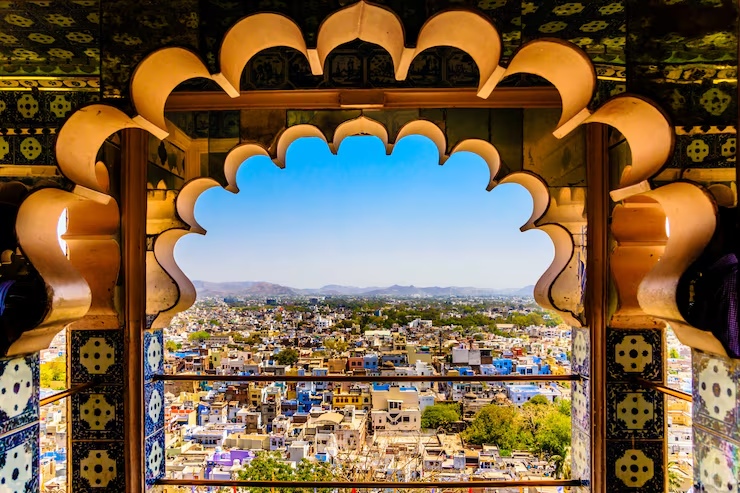
The growing interest in destinations beyond Delhi, Agra, and Jaipur reflects changing travel preferences. Modern travelers are increasingly drawn toward experiences that feel personal, immersive, and less crowded.
Hidden heritage towns offer opportunities to engage with local culture, explore architecture in greater detail, and enjoy a slower rhythm of travel. They also provide a chance to experience India’s diversity beyond its most photographed landmarks. This shift aligns with the rise of experiential and culturally focused tourism.
Planning an Extended Golden Triangle Journey
Adding destinations like Orchha, Fatehpur Sikri, and Bundi to a Golden Triangle itinerary is relatively convenient due to their accessibility by road and rail. Travelers can comfortably extend their trip by a few days to include these locations without significantly altering their travel plans.
The ideal time to explore these destinations is between October and March, when temperatures are more pleasant for sightseeing. Choosing heritage stays or boutique hotels can further enhance the experience by offering a closer connection to local architecture and traditions.
A thoughtfully planned itinerary ensures travelers can experience both the iconic landmarks and the lesser known stories that define northern India’s rich cultural landscape.

Beyond Sightseeing: Experiencing Heritage More Deeply
What makes these destinations special is not just their monuments but the atmosphere they create. Walking through quiet palace corridors, watching sunsets over cenotaphs, or exploring centuries old streets allows travelers to experience history in a more meaningful way.
These places encourage slower exploration and genuine curiosity, making the journey feel more immersive and memorable. For travelers seeking depth over checklists, these hidden gems offer some of the most rewarding experiences in India.
Final Thoughts
The Golden Triangle will always remain one of India’s most iconic travel circuits, but the destinations beyond it reveal another side of the country, one that is quieter, richer, and deeply rooted in history.
With ACMA, travelers can go beyond conventional itineraries and discover heritage destinations that combine culture, architecture, and authenticity into one seamless journey.


