Birdwatching & Wildlife Photography Getaways
Birdwatching and wildlife photography getaways for beginners Discover easy itineraries across India with bird rich reserves guided safaris and scenic nature stays.
Birdwatching and wildlife photography are no longer limited to seasoned naturalists or professional photographers. Across India and nearby regions, accessible landscapes, guided reserves and beginner friendly routes now make it easier than ever to explore the wild with curiosity and care. For first time travellers, the key lies in choosing destinations that offer high visibility, simple logistics and diverse species without overwhelming terrain or technical demands.
These beginner friendly getaways combine scenic travel with meaningful encounters, allowing travellers to build patience, observation skills and confidence. With the right itinerary, even a short trip can turn into a rewarding introduction to nature focused travel.
Bharatpur- Rajasthan
Keoladeo National Park in Bharatpur is one of the best places in India to begin a birdwatching journey. The park is flat, well marked and rich in avian diversity, making it ideal for those learning to identify species and understand behaviour. Winter months bring migratory birds from across Central Asia and Europe, offering remarkable variety within a compact area.
Cycling or walking through the park allows visitors to move slowly and quietly. Local guides help beginners spot birds that might otherwise go unnoticed, from painted storks to kingfishers and owls. Accommodation options nearby range from simple guesthouses to comfortable heritage stays, keeping travel stress low.
Thattekad- Kerala
Often referred to as the bird capital of Kerala, Thattekad Bird Sanctuary is a lush introduction to tropical birdlife. Dense forests, riverbanks and wetlands support a wide range of resident and migratory species. The environment teaches beginners how light, sound and movement differ dramatically from grassland reserves.
Guided forest walks are highly recommended here, as experienced naturalists help visitors tune into bird calls and canopy activity. Early mornings are particularly rewarding. Staying in eco lodges near the sanctuary enhances the experience, allowing travellers to observe birds even outside designated trails.
Kabini-Karnataka
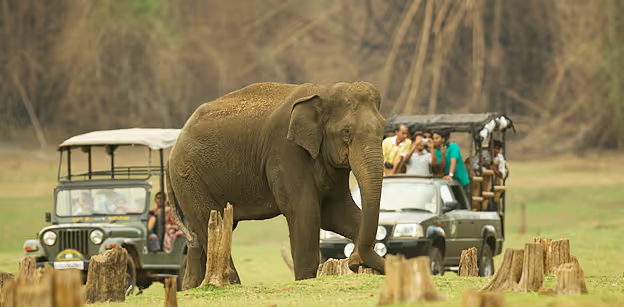
Kabini offers an excellent blend of wildlife viewing and landscape photography for beginners. Located along a river and surrounded by forest, the area is known for elephants, deer, birds and occasional sightings of big cats. Safari routes are well regulated and guided by trained professionals, reducing uncertainty for first time visitors.
Boat safaris provide a gentle way to photograph birds and animals along the water’s edge. Kabini also helps beginners understand composition, patience and timing, as wildlife sightings unfold naturally rather than on demand.
Jim Corbett-Uttarakhand
India’s oldest national park is a strong starting point for wildlife photography. Jim Corbett offers varied habitats including grasslands, rivers and forested hills, which support birds, mammals and reptiles. While tiger sightings are unpredictable, the park excels in offering diverse photographic subjects.
Beginners benefit from structured safari zones and knowledgeable guides who explain animal behaviour and conservation practices. Staying near the park allows early access to safaris and quiet evenings to review images and learn from the day’s observations.
Chilika- Odisha
Chilika Lake is Asia’s largest brackish water lagoon and a paradise for birdwatchers. It is especially welcoming for beginners due to open visibility and large flocks of birds that are easy to observe and photograph. Winter months bring migratory species such as flamingos, pelicans and sandpipers.
Boat rides across the lake offer unique perspectives and relaxed pacing. The vast sky and water reflections also help beginners practice framing and exposure. Chilika combines wildlife observation with cultural experiences in nearby fishing villages.

What Beginners Should Know
Starting wildlife travel does not require expensive equipment. A basic camera with zoom, binoculars and comfortable clothing are sufficient. Learning to observe quietly, move slowly and respect distance is far more important than capturing perfect images.
Travelling with guides accelerates learning and ensures safety while supporting local conservation livelihoods. Choosing destinations with simple access, good accommodation and clear viewing opportunities makes early experiences enjoyable rather than intimidating.
Best Time to Travel
Winter months from November to February are ideal for birdwatching across most regions due to migration and pleasant weather. Wildlife photography varies by location, but early mornings and late afternoons consistently offer the best light and activity.
Planning trips outside peak holiday periods helps reduce crowd pressure and increases chances of calm observation.
Final Thoughts
Birdwatching and wildlife photography teach patience, awareness and respect for nature. Beginner friendly getaways provide a gentle introduction without pressure or complexity. Each journey builds confidence and curiosity, encouraging travellers to return with deeper understanding and stronger connection to the natural world.
With thoughtful itineraries and mindful travel choices, the wild becomes not a distant spectacle but a shared space of learning and wonder.


