Buddhist Pilgrimage Tourism in India: From Kushinagar to Sarnath
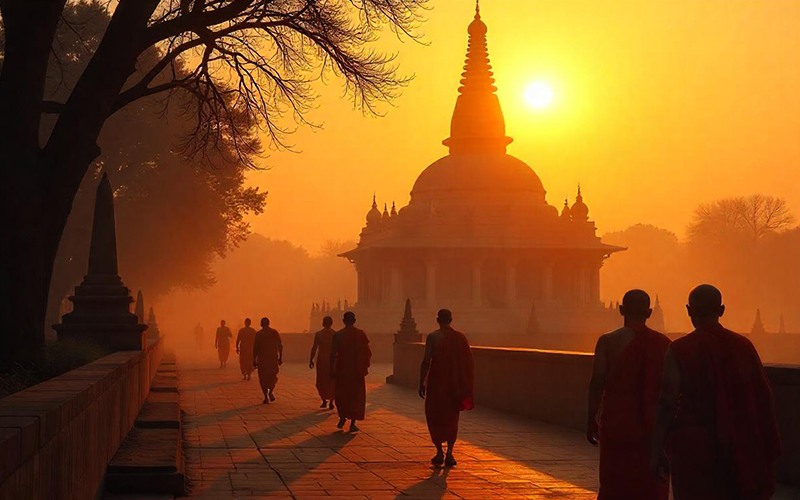
Explore Buddhist pilgrimage tourism in India from Kushinagar to Sarnath, tracing Buddha’s journey through sacred sites rich in history and spirituality.
India is the birthplace of Buddhism and remains one of the most significant destinations for spiritual travel in the world. For centuries, pilgrims have journeyed across the country to follow the path of Gautama Buddha, visiting sacred sites that mark key moments of his life and teachings. Among these, Kushinagar and Sarnath stand out as deeply meaningful destinations, forming an essential part of India’s Buddhist pilgrimage circuit.
Today, Buddhist pilgrimage tourism in India is not just about faith, but also about cultural exploration, history, and mindful travel. It offers a journey that is both reflective and immersive, connecting travelers with ancient traditions that continue to shape millions of lives.
The Sacred Journey of Buddhism in India
Buddhist pilgrimage is centered around sites associated with the life of Gautama Buddha. Among the most important are four key locations: Lumbini, Bodh Gaya, Sarnath, and Kushinagar. Each represents a defining moment in his journey, from birth to enlightenment, teaching, and finally, his passing.
In India, Sarnath and Kushinagar hold particular importance. These sites are not only historically significant but also spiritually profound, attracting pilgrims from across Asia and beyond.
Sarnath: Where the Teachings Began
Located near Varanasi in Uttar Pradesh, Sarnath is one of the most revered Buddhist destinations in the world. It is here that Buddha delivered his first sermon after attaining enlightenment, setting in motion the teachings of Buddhism.
This sermon introduced the core principles of Buddhism, including the Four Noble Truths and the Eightfold Path. Sarnath soon developed into a major center of learning and monastic life, drawing followers and scholars over centuries.
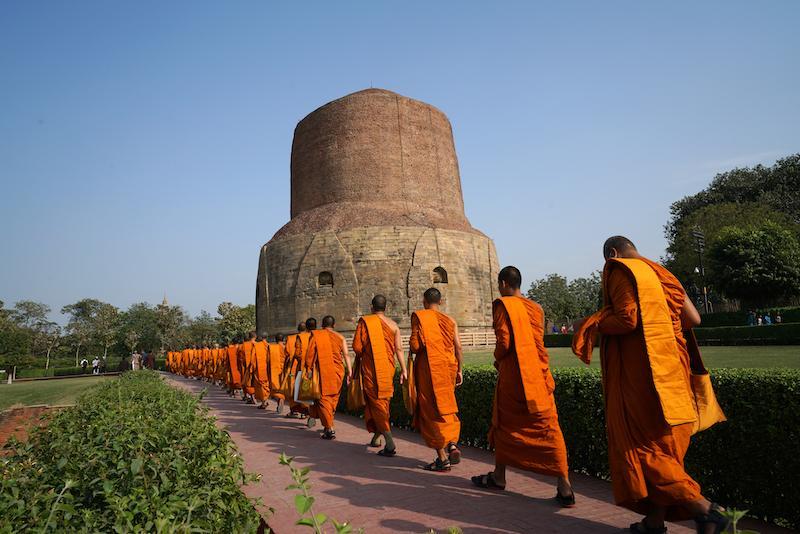
Today, visitors can explore ancient stupas, monasteries, and museums that preserve relics and artifacts from this era. The serene environment of Deer Park, where the first sermon was delivered, continues to offer a space for reflection and spiritual connection.
Kushinagar: The Final Chapter
Kushinagar holds deep significance as the place where Buddha attained parinirvana, marking the end of his earthly journey.
For Buddhists, visiting Kushinagar is an emotional and spiritual experience. It represents not just the passing of Buddha, but the attainment of ultimate liberation. The site features important landmarks such as the Mahaparinirvana Temple, which houses a reclining statue of Buddha, and the Ramabhar Stupa, believed to be his cremation site.
Kushinagar has been a pilgrimage center since ancient times and continues to attract devotees, monks, and travelers seeking a deeper understanding of Buddhist philosophy.
The Buddhist Circuit: A Growing Travel Experience
In recent years, India’s Buddhist Circuit, which includes Sarnath, Kushinagar, Bodh Gaya, and other associated sites, has gained renewed attention. Improved infrastructure, better connectivity, and international outreach have made these destinations more accessible to global travelers.
Tourism to these sites has seen a steady rise, reflecting a broader global interest in spiritual tourism and cultural heritage experiences. For travelers, the Buddhist Circuit offers more than sightseeing. It provides a journey through ancient history, philosophy, and landscapes that have remained spiritually relevant for over two millennia.
A Blend of Spirituality and Cultural Immersion
What makes Buddhist pilgrimage tourism unique is its ability to combine spirituality with cultural exploration. Visitors not only engage with sacred sites but also experience local traditions, architecture, and communities that have evolved around these centers.
From monasteries built by international Buddhist communities to local markets and regional cuisine, each destination offers a layered experience. Travelers can witness prayer rituals, interact with monks, and participate in meditation sessions, creating a deeper connection with the philosophy of Buddhism.
Why This Journey Matters Today
In a fast paced world, journeys like these offer a sense of pause and perspective. Buddhist pilgrimage tourism encourages mindfulness, reflection, and a slower approach to travel.
For many, it is not just about visiting historical sites but about understanding the teachings of compassion, balance, and awareness that Buddhism represents. This makes the journey relevant not only for religious pilgrims but also for modern travelers seeking meaningful experiences.
Final Thought
From the teachings at Sarnath to the spiritual culmination at Kushinagar, Buddhist pilgrimage tourism in India offers a journey through time, faith, and philosophy. These destinations are not just markers of history but living spaces of reflection and learning.
With ACMA, exploring the Buddhist Circuit becomes seamless and thoughtfully curated, allowing you to experience these sacred sites with comfort, insight, and a deeper sense of connection.


