Coolcations in India: Cold Deserts and High Altitude Lakes Beyond Ladakh
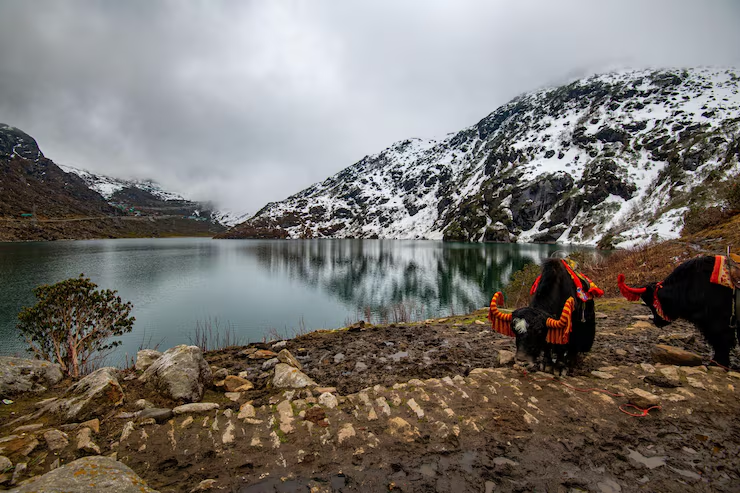
Explore beyond Ladakh with cold deserts and high altitude lakes in Spiti, Lahaul and Sikkim, from Chandratal to Gurudongmar Lake and Tsomgo Lake in summer.
When summer temperatures rise, India’s mountains offer a very different kind of escape. Coolcations can take travellers to high altitude landscapes where cold mountain air, snow covered peaks and rugged terrain replace the usual summer holiday setting.
Ladakh may be the most familiar destination for this kind of trip, but it is not the only option. Spiti, Lahaul and Sikkim offer distinct landscapes, cultural experiences and high altitude lakes for travellers looking beyond conventional hill stations.
Spiti Valley, Himachal Pradesh
Spiti Valley is described by Himachal Tourism as a mountainous cold desert, with dry landscapes, high mountains and pockets of greenery. The region also has a strong Buddhist presence, with monasteries and villages forming an important part of its cultural landscape. Kaza is the administrative centre of the valley and a practical base for exploring the region.
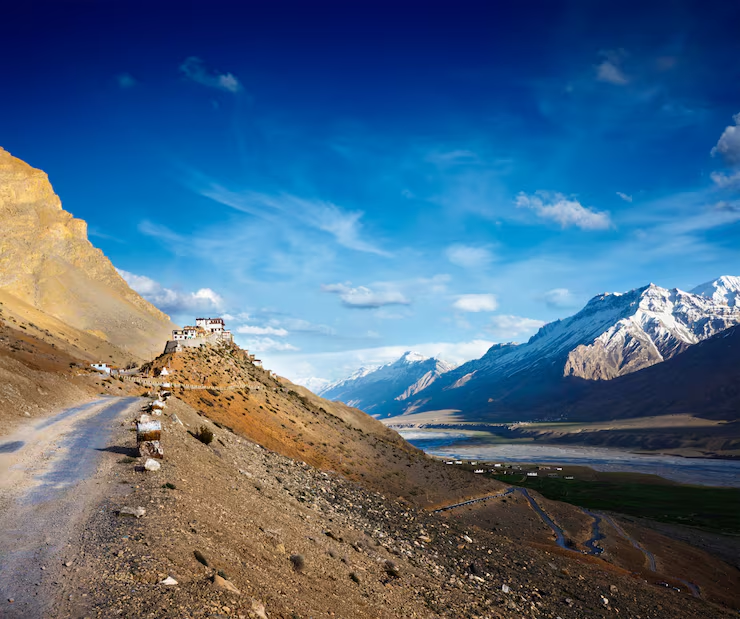
Chandratal Lake
At around 4,300 metres, Chandratal, or Lake of the Moon, is one of Spiti’s best known natural attractions. Located north of Kunzum Pass, the deep blue lake sits amid a rugged mountain landscape and can be reached by road from the Manali Kaza route, followed by a walk. Himachal Tourism notes that camping around the lake is a seasonal activity, with tented accommodation available from June to October.
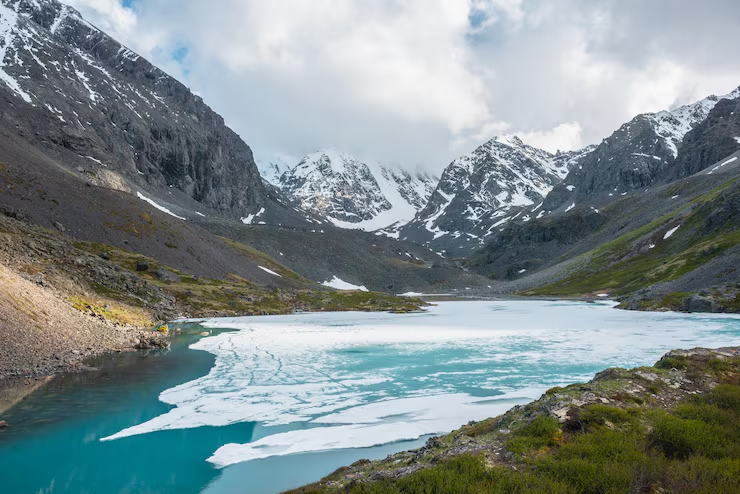
Lahaul Valley, Himachal Pradesh
Lahaul offers a greener landscape than Spiti while retaining the dramatic character of the trans Himalayan region. The Chandra and Bhaga rivers originate on either side of Baralacha La and meet at Tandi, where they form the Chenab. The valley is also known for its Buddhist monasteries, traditional villages and mountain scenery.
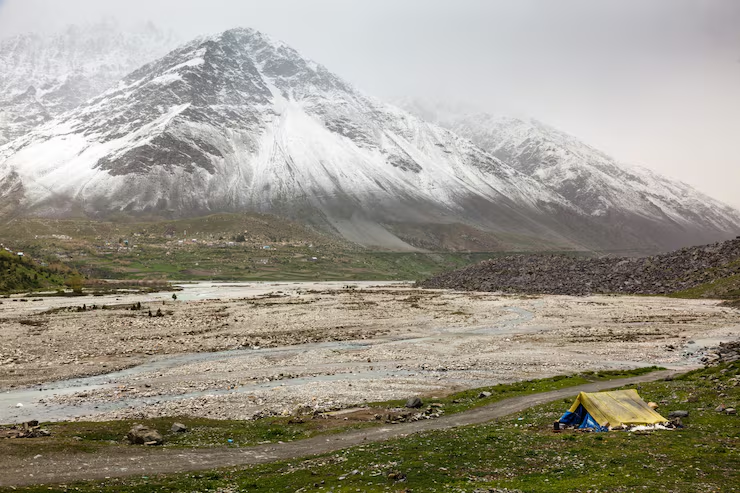
Suraj Tal
Near Baralacha La, Suraj Tal is a striking high altitude lake surrounded by stark mountain terrain. Himachal Tourism notes that the lake freezes during winter and regains its blue appearance as summer approaches. Access to this area is seasonal, as snow can affect road connectivity around the higher passes.
Gurudongmar Lake, Sikkim
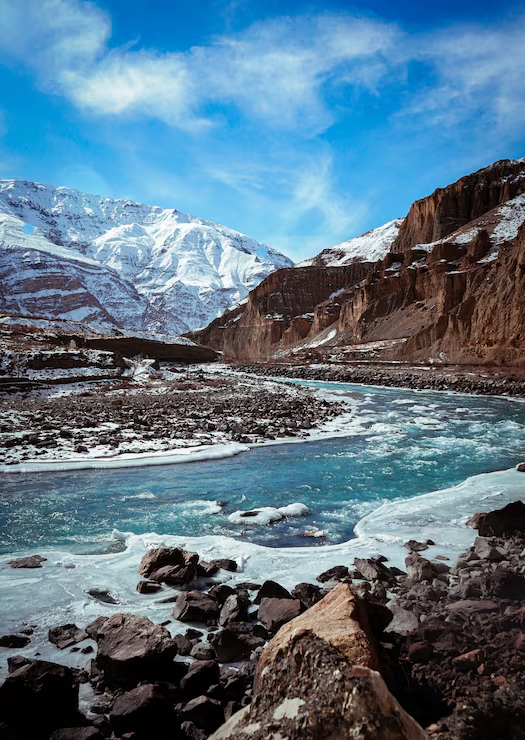
For travellers heading east, Gurudongmar Lake offers a very different Himalayan setting. Incredible India places the lake at 17,800 feet and describes it as one of India’s highest lakes and a revered pilgrimage site associated with Buddhist and Sikh traditions. The lake is also connected to the Teesta river system.
This is not a destination to approach like a regular sightseeing stop. Access is regulated, and Sikkim Tourism states that domestic visitors require a permit, while foreign tourists are not permitted to visit Gurudongmar. Road and weather conditions in North Sikkim can also change, so travellers should check current local requirements before planning the journey.
Tsomgo Lake, Sikkim
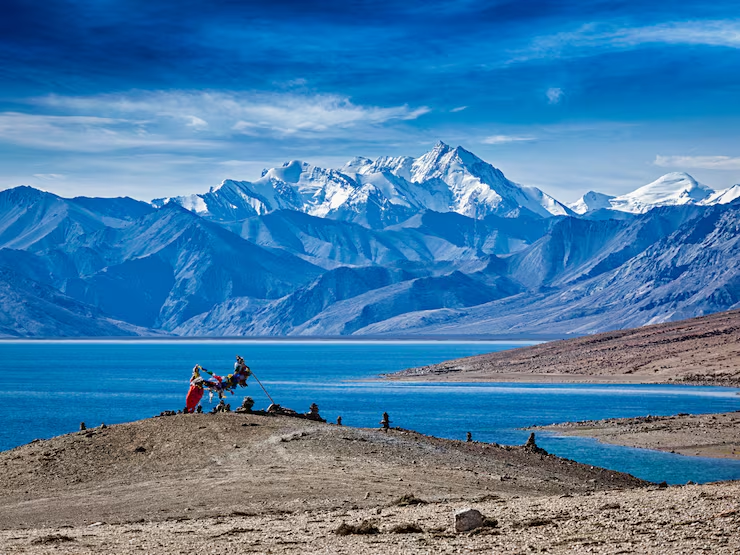
Closer to Gangtok, Tsomgo Lake, also known as Changu Lake, offers a more accessible high altitude lake experience. Sikkim Tourism places it at around 12,400 feet and notes that its appearance changes with the seasons. The lake can remain frozen during winter, while late spring brings flowers to the surrounding landscape.
A Protected Area Permit is required to visit Tsomgo Lake, so travellers should arrange the necessary permissions through the appropriate channels before setting out. Sikkim Tourism currently lists Tsomgo among the destinations requiring a Protected Area Permit.
What to Know Before a Himalayan Coolcation
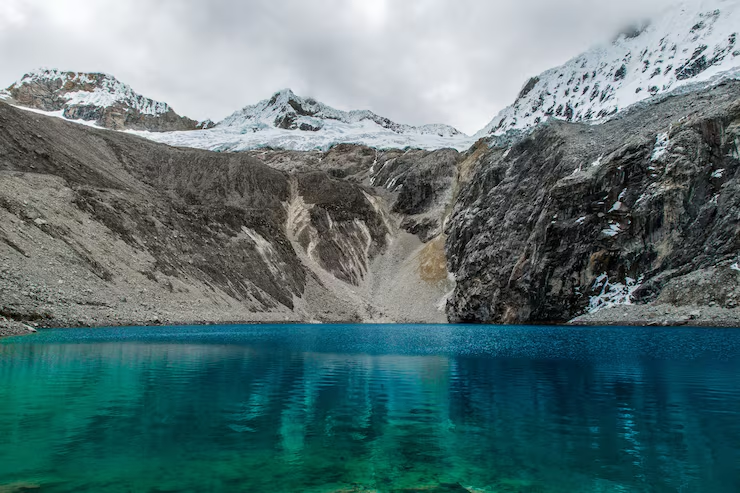
A high altitude trip requires more preparation than a conventional summer getaway. Acclimatisation is important when travelling to elevated destinations, while changing weather and seasonal road conditions can affect plans. Remote areas may also have limited connectivity, so travellers should allow flexibility in their itineraries.
Timing matters too. Himachal Tourism describes April to October as a suitable general period for visiting Spiti, although conditions vary by route and altitude. Lahaul can also experience prolonged winter road closures, while access to North Sikkim destinations is subject to local conditions and permits.
Final Thoughts
India’s coolcation options extend well beyond Ladakh. Spiti’s cold desert, Lahaul’s mountain landscapes and Sikkim’s high altitude lakes each offer a different way to experience the Himalayas, with striking scenery and distinct local cultures.
With the right season, route and preparation, these destinations can make for a refreshing summer escape. At ACMA Holidays, travellers can plan their mountain getaway with suitable itineraries, stays and travel arrangements while keeping the practical details organised.


