Monastery Trails in India: Peaceful Himalayan Circuits Beyond Ladakh
Discover why October and March are the best months to visit Europe with fewer crowds, lower costs, pleasant weather, and slower travel experiences.
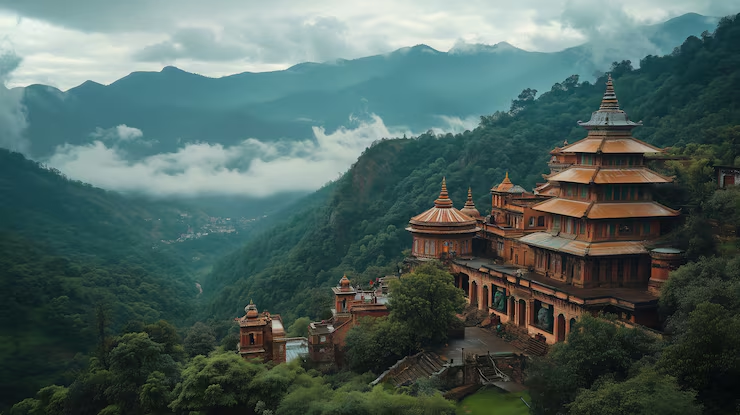
India’s Himalayan region has long attracted travelers seeking spirituality, silence, and mountain landscapes. While Ladakh continues to remain one of the country’s most recognized monastery destinations, travelers in 2026 are increasingly exploring lesser known Himalayan circuits that offer equally profound experiences with fewer crowds.
From the mist covered hills of Sikkim to the remote valleys of Arunachal Pradesh and Himachal Pradesh, monastery trails across India provide journeys rooted in culture, mindfulness, and scenic beauty. These destinations are not only spiritually significant but also offer opportunities for slow travel and meaningful cultural immersion.
Sikkim: Monasteries Amid the Eastern Himalayas
Sikkim is home to some of India’s most important Buddhist monasteries and remains one of the most peaceful Himalayan states for spiritual travel. Influenced deeply by Tibetan Buddhism, the region blends prayer flags, mountain landscapes, and monastic traditions into everyday life.
One of the most well known monasteries is Rumtek Monastery, located near Gangtok. Considered one of the largest monasteries in Sikkim, it is admired for its architecture, prayer halls, and spiritual significance within the Karma Kagyu school of Tibetan Buddhism.
Travelers exploring Sikkim can also visit monasteries such as Pemayangtse and Tashiding, both known for their tranquil surroundings and historical importance. The state offers an atmosphere ideal for those seeking peaceful mountain journeys and spiritual reflection.
Arunachal Pradesh: Remote Monastic Landscapes
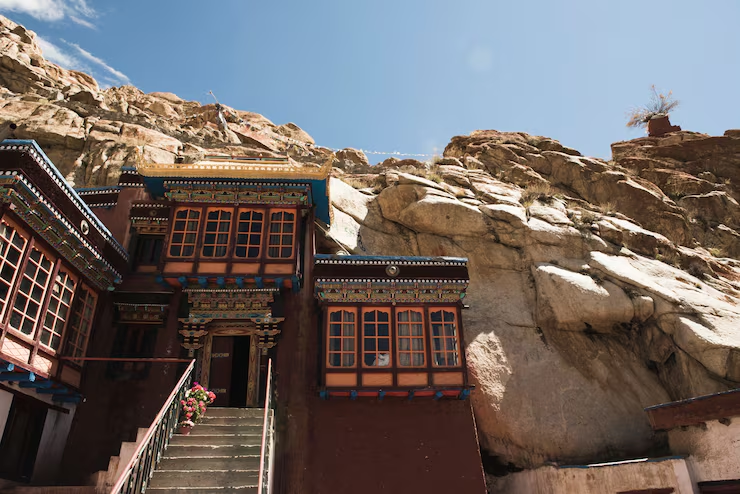
Arunachal Pradesh offers one of India’s most immersive monastery circuits due to its remote geography and strong Buddhist heritage. The region’s landscapes of forests, mountains, and valleys create a setting that feels untouched and deeply spiritual.
The highlight of the state is Tawang Monastery, which is among the largest monasteries in India and one of the most significant Tibetan Buddhist monasteries outside Tibet. Situated at an altitude of over 10,000 feet, the monastery overlooks dramatic Himalayan scenery and houses ancient scriptures, prayer halls, and monastic residences.
Beyond Tawang, smaller monasteries scattered across the region offer quieter experiences and deeper insight into local traditions. Arunachal Pradesh is ideal for travelers looking for remote cultural exploration and offbeat Himalayan travel.
Himachal Pradesh: Spiritual Trails Through Mountain Valleys
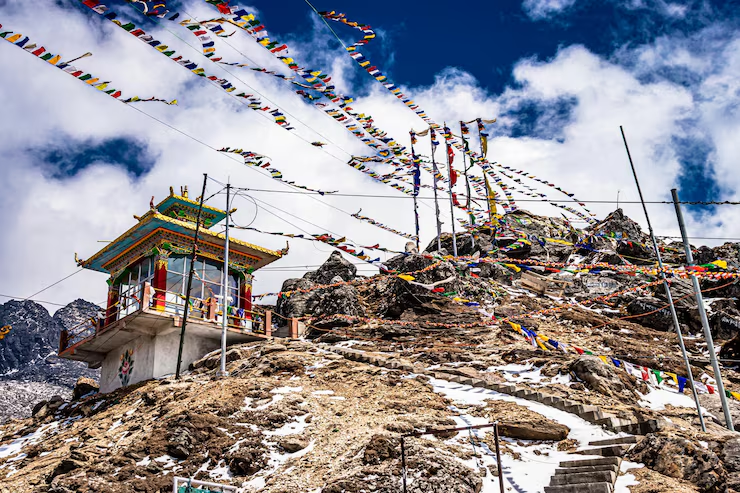
Himachal Pradesh is widely known for its hill stations, but regions like Spiti Valley and Dharamshala also form an important part of India’s Buddhist landscape. These areas combine dramatic terrain with deeply rooted monastic culture.
In Dharamshala, travelers can visit Namgyal Monastery, closely associated with Tibetan Buddhism and the Tibetan exile community. The town itself has become a center for meditation, philosophy, and cultural learning.
Further north, Spiti Valley is home to monasteries such as Key Monastery and Dhankar Monastery, both located amidst stark mountain landscapes. These monasteries not only serve spiritual purposes but also preserve centuries old art, manuscripts, and local traditions. Himachal’s monastery circuits are perfect for travelers seeking a balance between spirituality, adventure, and Himalayan scenery.
Why Monastery Tourism Is Growing
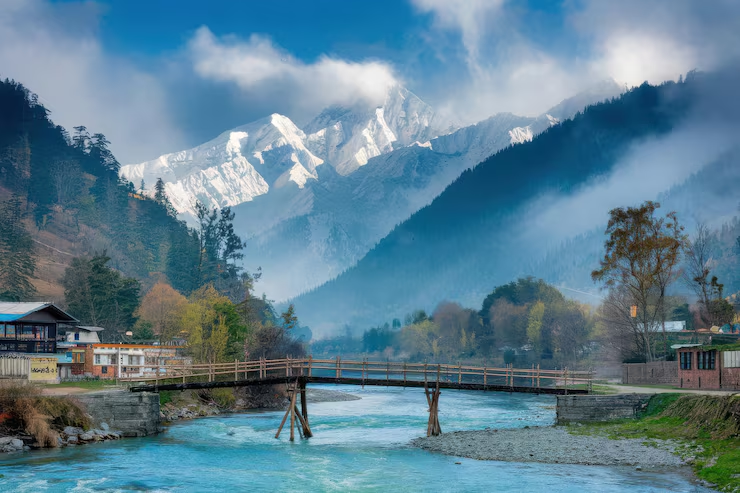
The growing popularity of monastery trails reflects changing travel preferences among modern travelers. Increasingly, people are moving away from rushed itineraries and choosing journeys that offer silence, reflection, and emotional connection.
Monastery destinations naturally encourage slower travel. Travelers spend more time observing landscapes, interacting with local communities, and experiencing moments of stillness. This aligns strongly with the rise of wellness oriented and mindful travel experiences globally.
Experiences Beyond Sightseeing
Monastery travel is not limited to visiting religious sites. Many Himalayan regions also offer opportunities for meditation retreats, local festivals, traditional food experiences, and village stays.
Travelers visiting during festivals such as Losar or monastery mask dances can witness vibrant cultural traditions that have been preserved for generations. These experiences provide deeper understanding of Himalayan Buddhist culture while making the journey feel more immersive and authentic.
The combination of spirituality, nature, and local culture transforms monastery circuits into journeys focused on inner calm and cultural discovery.
Best Time to Explore Himalayan Monastery Trails
The ideal time to visit depends on the region. Sikkim is best explored between March and June or during autumn months like October and November. Arunachal Pradesh and Tawang are generally most accessible between March and October, while Spiti Valley remains popular during summer due to road accessibility.
Travelers should also account for altitude conditions and weather variations while planning Himalayan journeys. Slow paced itineraries with sufficient acclimatization are recommended for a more comfortable experience.
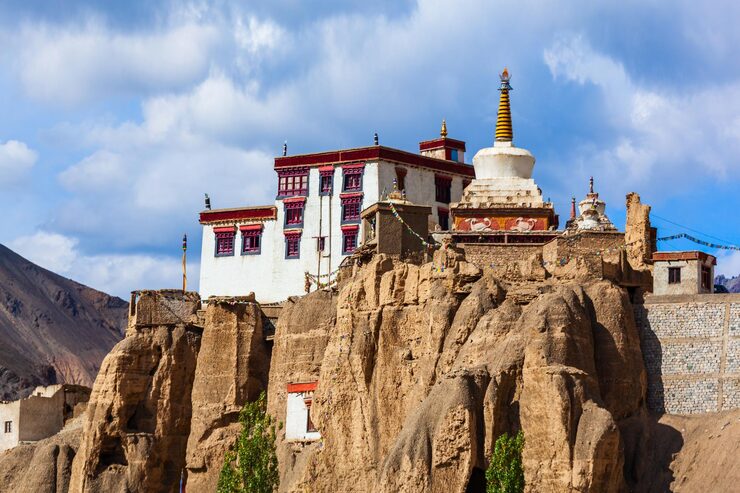
Responsible and Respectful Travel
Monasteries are active spiritual spaces, not simply tourist attractions. Travelers are encouraged to dress modestly, maintain silence in prayer areas, and respect photography guidelines wherever applicable.
Supporting local communities through homestays, local guides, and regional crafts can also contribute positively to sustainable tourism in these fragile Himalayan ecosystems. Responsible travel helps preserve the authenticity and serenity that make these destinations so special.
Final Thought
India’s monastery trails offer a side of Himalayan travel that goes far beyond scenic landscapes. They provide journeys rooted in silence, spirituality, culture, and reflection. From the monasteries of Sikkim to the remote valleys of Arunachal Pradesh and Himachal Pradesh, these destinations invite travelers to slow down and experience the mountains more meaningfully.
With ACMA, exploring these peaceful Himalayan circuits becomes effortless, with thoughtfully curated journeys designed to combine comfort, cultural depth, and unforgettable mountain experiences.


