Sacred River Journeys in India: Cultural and Spiritual Travel Along the Ganges, Narmada & Brahmaputra
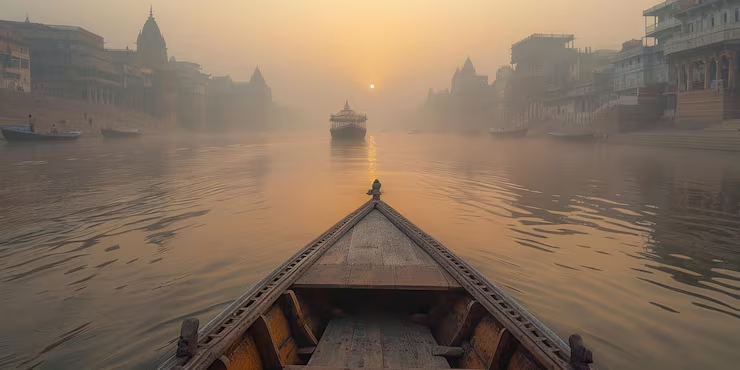
Explore sacred river journeys in India along the Ganges, Narmada, and Brahmaputra through spiritual towns, heritage sites, and cultural travel.
India’s rivers have shaped civilizations, spiritual traditions, trade routes, and cultural identities for centuries. Beyond their geographical importance, rivers such as the Ganges, Narmada, and Brahmaputra are deeply woven into the country’s spiritual and cultural fabric. Today, travelers are increasingly exploring these river regions not just for pilgrimage, but for immersive journeys that combine heritage, landscapes, rituals, and slow travel experiences.
In 2026, sacred river tourism is evolving into a more meaningful style of exploration, where travelers seek deeper connections with local culture, spirituality, and regional history. These journeys offer opportunities to experience India’s living traditions through its most iconic waterways.
Ganges: The Spiritual Lifeline of India
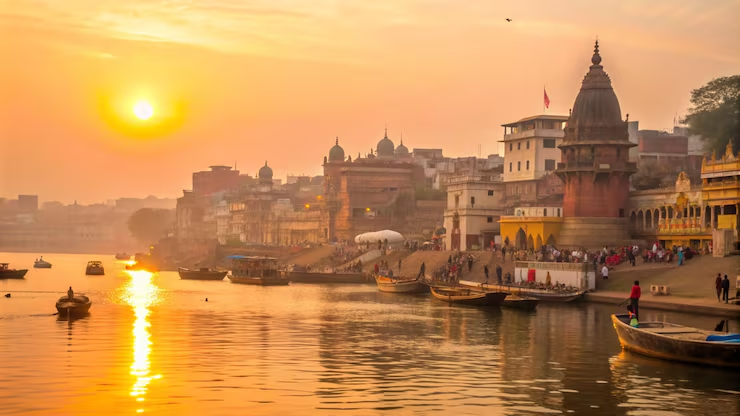
The Ganges, often referred to as the Ganga, remains India’s most spiritually significant river. Flowing across northern India, it passes through several historic and sacred cities that continue to attract pilgrims and travelers from around the world.
Among the most iconic destinations along the river is Varanasi, considered one of the world’s oldest living cities. The ghats of Varanasi come alive every evening during the Ganga Aarti, where synchronized rituals, lamps, chants, and prayers create a deeply moving atmosphere.
Further upstream, cities like Rishikesh and Haridwar offer a more serene spiritual experience, blending yoga, meditation, and riverside rituals against the backdrop of the Himalayas. The Ganges journey appeals to travelers seeking spiritual reflection, heritage, and cultural immersion.
Narmada: Quiet Spiritual Landscapes in Central India
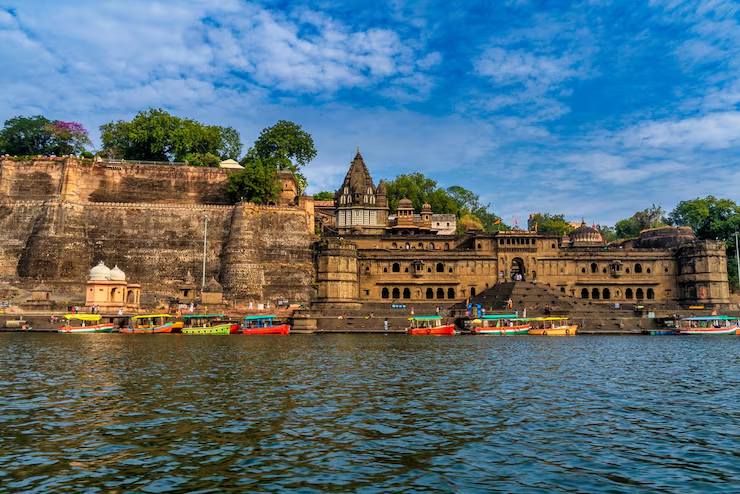
Unlike the bustling energy of the Ganges, the Narmada offers a quieter and more contemplative experience. Flowing through central India, the river is considered sacred in Hindu tradition and is associated with ancient pilgrimage routes known as the Narmada Parikrama.
One of the most culturally rich towns along the river is Maheshwar, known for its riverside ghats, handloom weaving traditions, and historic architecture. The town was once ruled by Queen Ahilyabai Holkar, whose legacy continues through temples and restored heritage structures.
Nearby destinations such as Omkareshwar, situated on an island shaped like the sacred Om symbol, further strengthen the river’s spiritual importance. The Narmada region is ideal for travelers looking for peaceful heritage experiences and slower journeys through central India.
Brahmaputra: River Journeys Through Assam’s Cultural Landscape
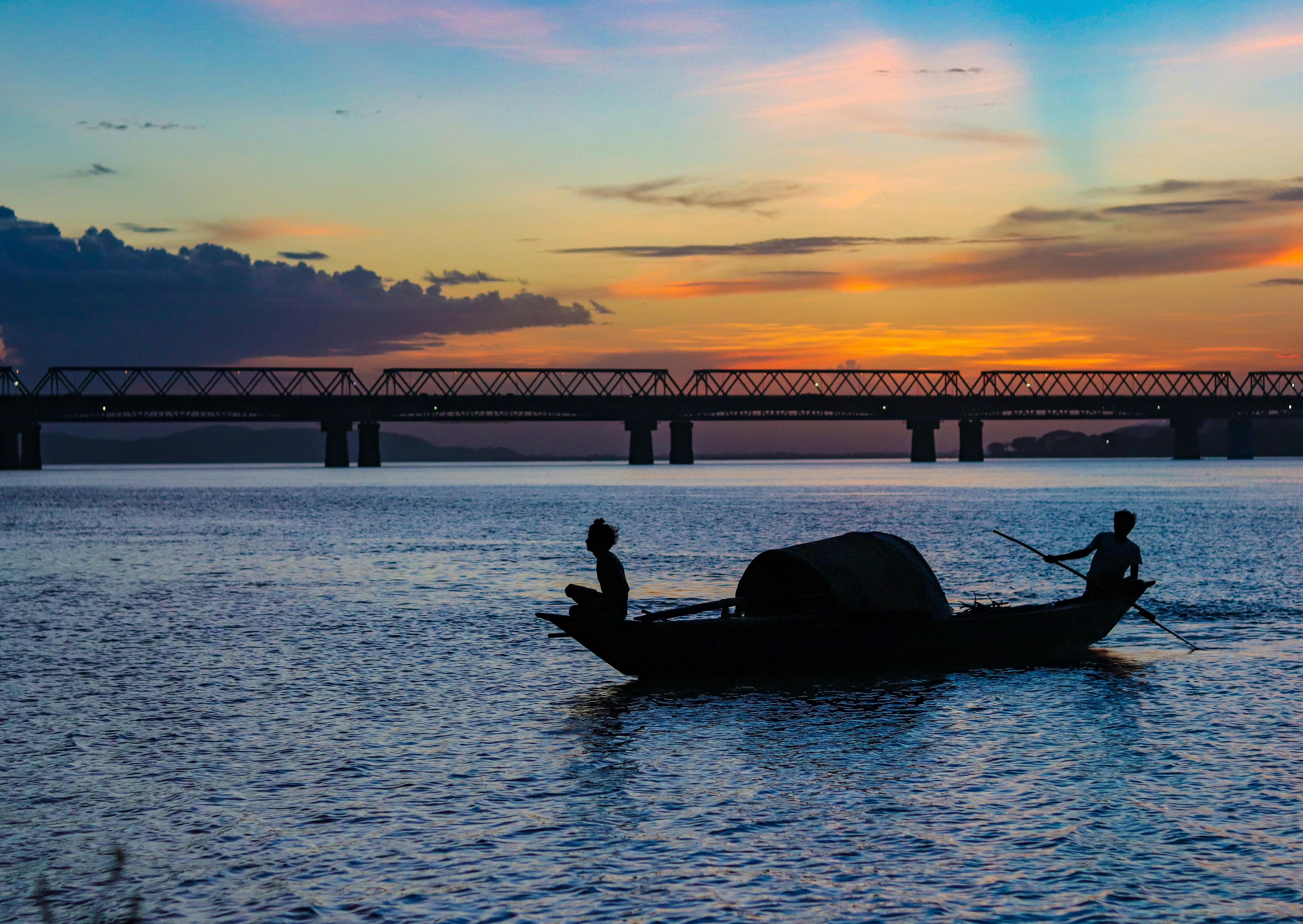
The Brahmaputra offers one of India’s most unique river travel experiences. Flowing through Assam and the northeastern region, the river is surrounded by tea estates, temples, wetlands, and rich biodiversity.
River cruises along the Brahmaputra are becoming increasingly popular among travelers seeking luxury slow travel experiences. These journeys often begin near Dibrugarh and pass through villages, monasteries, and cultural sites while offering views of Assam’s changing landscapes.
Travelers may also visit Majuli, one of the world’s largest river islands and an important center for Assamese Vaishnavite culture. The Brahmaputra journey combines nature, spirituality, and regional heritage, making it ideal for those seeking immersive and lesser explored travel experiences.
Why Sacred River Travel Is Growing
Modern travelers are increasingly moving toward journeys that feel slower, more personal, and emotionally meaningful. Sacred river travel naturally aligns with this shift by offering experiences rooted in culture, spirituality, and human connection.
Unlike fast paced city tourism, river journeys encourage travelers to pause, observe rituals, interact with local communities, and understand regional traditions. This style of travel creates opportunities for reflection and deeper engagement, aligning with the growing demand for mindful and experiential tourism.
Experiences Beyond Pilgrimage
Sacred river tourism today extends beyond religious travel alone. Travelers are increasingly combining spirituality with heritage stays, local cuisine, wellness experiences, and cultural exploration.
Boat rides during sunrise in Varanasi, meditation sessions by the Ganges, heritage walks in Maheshwar, and luxury cruises along the Brahmaputra all offer diverse ways to experience these river landscapes. Seasonal festivals and local rituals further enrich the journey, making each destination feel culturally alive and deeply rooted in tradition.
This blend of spirituality and experiential travel makes river tourism appealing even to travelers who are not necessarily on a religious pilgrimage.
Best Time for Sacred River Journeys
The ideal time for river based travel in India generally falls between October and March, when temperatures are more comfortable across most regions. Winter and early spring months are particularly pleasant for riverside exploration, cultural festivals, and cruise experiences.
Travelers planning these journeys should allow sufficient time in each destination rather than rushing through multiple cities. Sacred river travel is best experienced at a slower pace, where moments of stillness and observation become part of the journey itself.
Responsible and Respectful Travel
As these destinations continue to attract more visitors, responsible tourism becomes increasingly important. Travelers are encouraged to respect local customs, dress modestly near sacred spaces, and avoid polluting riverbanks.
Supporting local artisans, choosing sustainable experiences, and engaging respectfully with cultural practices help preserve the authenticity of these regions. Responsible travel ensures that sacred river destinations continue to remain meaningful for both communities and future travelers.
Final Thoughts
India’s sacred rivers offer journeys that go far beyond sightseeing. They represent living traditions, spiritual practices, cultural heritage, and stories that continue to shape the country’s identity. From the timeless ghats of Varanasi to the quiet banks of the Narmada and the expansive landscapes of the Brahmaputra, these rivers invite travelers to experience India in a slower and more meaningful way.
With ACMA, exploring India’s sacred river circuits becomes seamless, offering thoughtfully curated journeys that combine spirituality, culture, comfort, and authentic regional experiences.


