Second Cities to Visit in 2026: Beyond Paris, Beyond Dubai, Beyond Bali
Discover second cities to visit in 2026 beyond Paris, Dubai, and Bali, offering fewer crowds, rich culture, and immersive travel experiences.
As global travel continues to grow, many of the world’s most popular destinations are experiencing overcrowding. Cities like Paris, Dubai, and Bali remain iconic, but they often come with long queues, high prices, and packed itineraries. In response, travelers in 2026 are increasingly turning to “second cities” destinations that offer similar cultural richness and experiences, but with fewer crowds and a more relaxed pace.
Second cities are not lesser in value, they simply exist outside the spotlight. They often provide deeper cultural immersion, better access to local life, and a more authentic sense of place. For travelers seeking meaningful experiences, these destinations are becoming the preferred choice.
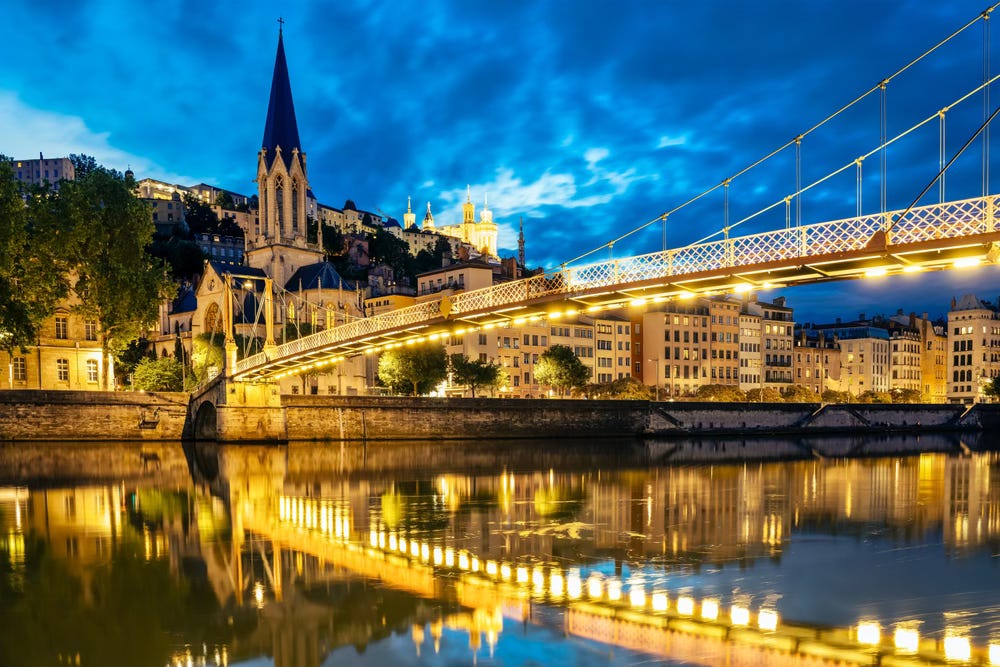
Lyon: A Culinary Alternative to Paris
While Paris is known for its global appeal, Lyon offers a more grounded and equally enriching experience. Often considered the gastronomic capital of France, the city is renowned for its traditional bouchons, vibrant food culture, and local markets.
Lyon’s old town, a UNESCO World Heritage site, features Renaissance architecture, hidden passageways, and riverside charm. The pace here is slower, allowing travelers to explore without the intensity of a major capital. It is an ideal destination for those who want culture, cuisine, and history in a more relaxed setting.
Abu Dhabi: A Refined Alternative to Dubai
Dubai is known for its scale and energy, while Abu Dhabi offers a more refined and balanced experience. The city combines modern architecture with cultural landmarks, including grand mosques, museums, and waterfront promenades.
Abu Dhabi’s slower pace makes it ideal for travelers seeking luxury without the rush. Experiences here feel more curated, whether it is visiting cultural institutions, relaxing by the beach, or exploring desert landscapes.
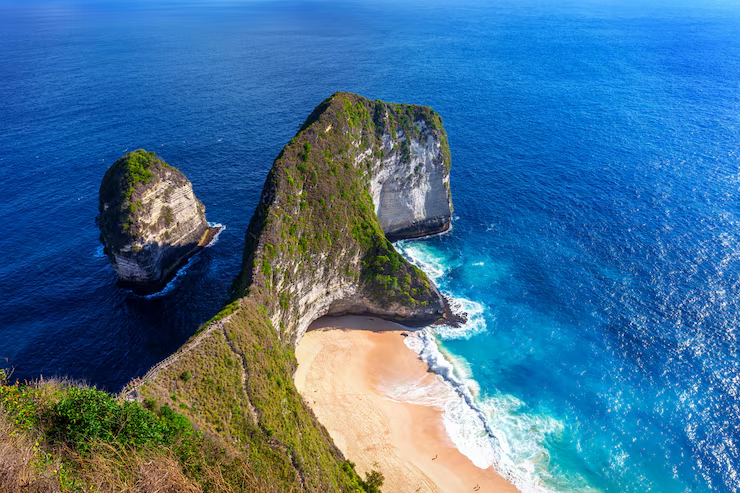
Nusa Penida: Beyond Bali’s Crowds
Bali continues to attract millions of visitors, but nearby Nusa Penida offers a quieter and more nature focused alternative. Known for its dramatic cliffs, turquoise waters, and rugged landscapes, the island provides a raw and scenic escape.
Unlike Bali’s busy tourist hubs, Nusa Penida feels less commercialized. Travelers can explore beaches, viewpoints, and natural formations while enjoying a more peaceful environment.
Bologna: Italy’s Underrated Cultural Hub
While cities like Rome and Florence dominate travel itineraries, Bologna offers a rich cultural experience without the crowds. Known for its medieval architecture, historic university, and food culture, the city is both vibrant and authentic.
Its portico lined streets, local eateries, and lively atmosphere create a sense of everyday Italian life. Bologna is perfect for travelers who want to experience Italy beyond its most visited landmarks.
Osaka: A Dynamic Alternative to Tokyo
Tokyo is a global metropolis, but Osaka offers a more approachable and energetic urban experience. Known for its street food, nightlife, and friendly atmosphere, the city feels vibrant yet less overwhelming.
Osaka also serves as a gateway to nearby cultural destinations, making it a strategic base for exploration. Its blend of modern attractions and local character makes it a strong alternative for those looking to experience Japan differently.
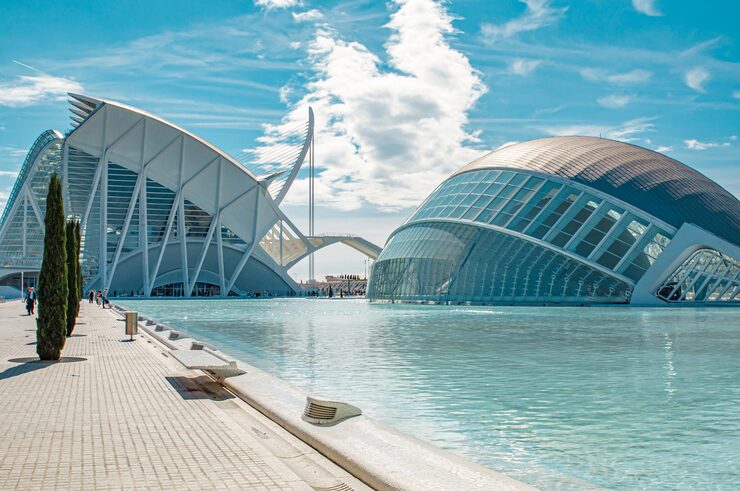
Valencia: Coastal Charm Without Barcelona’s Crowds
Barcelona is one of Europe’s most visited cities, while Valencia offers a similar coastal experience with fewer tourists. The city combines beaches, historic architecture, and modern design, including the futuristic City of Arts and Sciences.
Valencia’s relaxed pace and open spaces make it easier to explore. It is a destination where travelers can enjoy culture, cuisine, and coastline without feeling rushed.
Why Second Cities Are Trending
The rise of second cities reflects a shift in travel priorities. Travelers today are seeking authenticity, space, and meaningful experiences rather than just iconic landmarks.
Overtourism has made many popular destinations less enjoyable, encouraging travelers to look beyond the obvious choices. Second cities offer a way to experience the same region or culture in a more personal and immersive way.
They also provide better value, with more availability, less congestion, and opportunities to connect with local life.
Final Thought
Second cities are redefining travel in 2026, offering a balance of culture, comfort, and authenticity. By moving beyond the most crowded destinations, travelers can discover places that feel more personal and rewarding.
With ACMA, planning your journey to these emerging destinations becomes seamless, helping you uncover hidden gems, curated experiences, and a more thoughtful way to explore the world.


