The Quiet Side of Europe Cities That Offer Culture Without Crowds
Discover small European cities beyond Paris Rome and London offering rich culture history food architecture and authentic experiences without heavy crowds
Europe’s most famous cities will always hold their charm, but beyond the well worn paths of Paris Rome and London lies a quieter, equally compelling side of the continent. Smaller European cities offer rich history, striking architecture, strong local identity and immersive cultural experiences without the crowds and rush. For travellers who value depth over checklist travel, these destinations provide space to explore, connect and slow down.
These cities may be smaller in size, but they deliver experiences that feel personal, authentic and often more memorable than their larger counterparts.
Porto-Portugal
Set along the Douro River, Porto blends historic charm with a relaxed coastal spirit. Colourful buildings line the waterfront, while narrow streets lead to tiled churches, local markets and family run cafés. The city is deeply connected to its wine heritage, with centuries old cellars offering tastings and stories rather than spectacle.
Porto rewards wandering. Simple pleasures like watching boats drift along the river or enjoying a quiet meal with local flavours become the highlight. Compared to larger capitals, Porto feels approachable and unhurried, making it ideal for travellers who want culture without congestion.
Bruges-Belgium
Bruges feels like stepping into a living storybook. Cobblestone streets, medieval canals and preserved architecture create an atmosphere that feels intimate rather than overwhelming. While the city is known for its beauty, it also offers substance through art museums, historic guild halls and local traditions.
Exploring Bruges on foot reveals details that often go unnoticed in bigger cities. Small bakeries, quiet courtyards and evening walks along the canals create moments of stillness that contrast beautifully with the busier European hubs.
Ljubljana- Slovenia
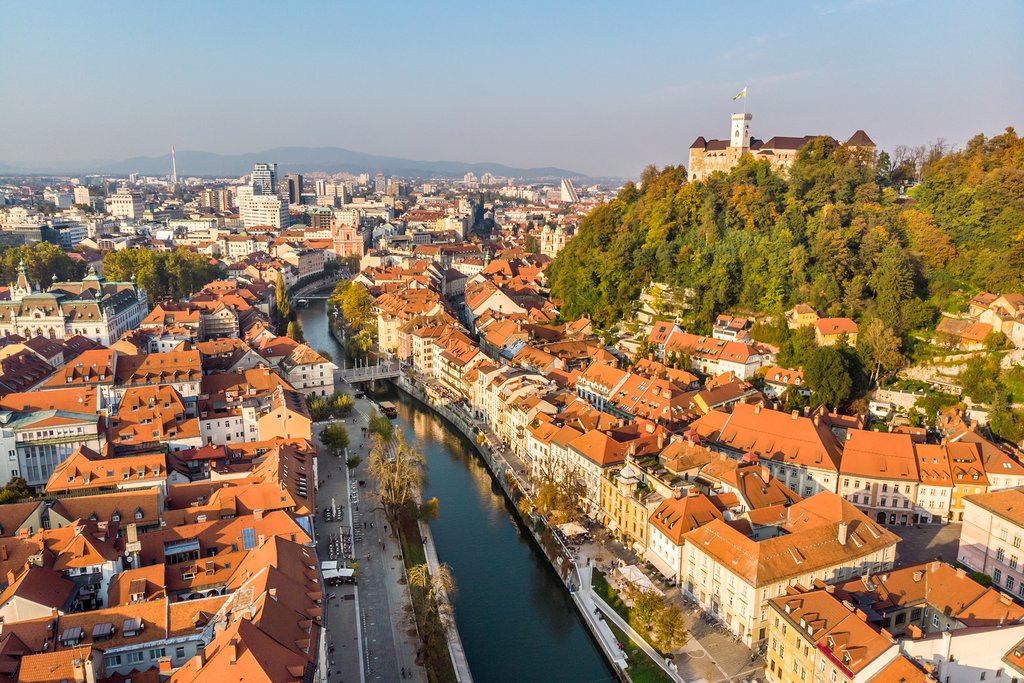
Slovenia’s capital is one of Europe’s most underrated cities. Ljubljana combines green spaces, elegant architecture and a strong focus on sustainability. The car free old town encourages walking, cycling and riverside dining, making the city feel both modern and deeply rooted in history.
The castle overlooking the city offers panoramic views, while cultural events and markets bring energy to the streets. Ljubljana proves that a capital city can feel friendly and relaxed while still offering rich experiences in art food and design.
Ghent-Belgium
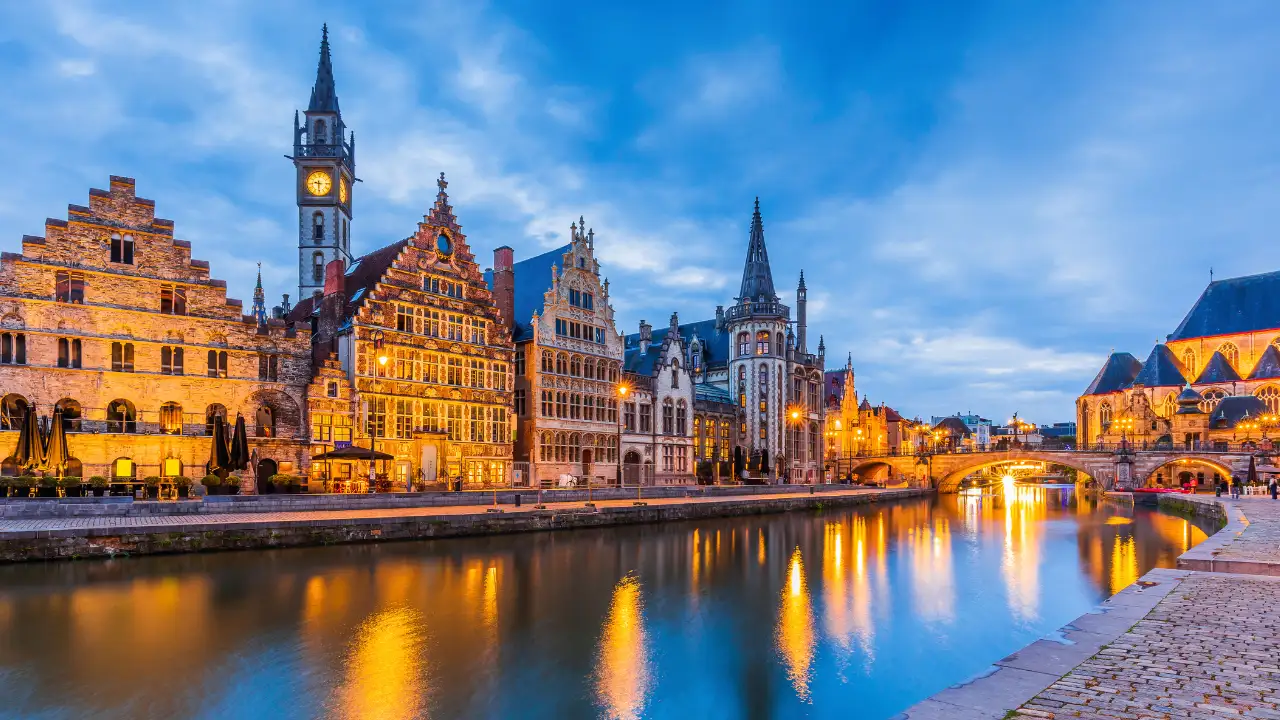
Often overshadowed by Brussels and Bruges, Ghent delivers a powerful mix of medieval heritage and contemporary creativity. The city’s historic centre is anchored by impressive cathedrals and castles, while its university population brings youthful energy to cafés and cultural spaces.
Ghent excels at balance. Visitors can explore centuries old architecture in the morning and enjoy vibrant dining scenes by evening. The city’s authenticity makes it especially appealing for travellers seeking local life rather than polished tourism.
Salzburg-Austria
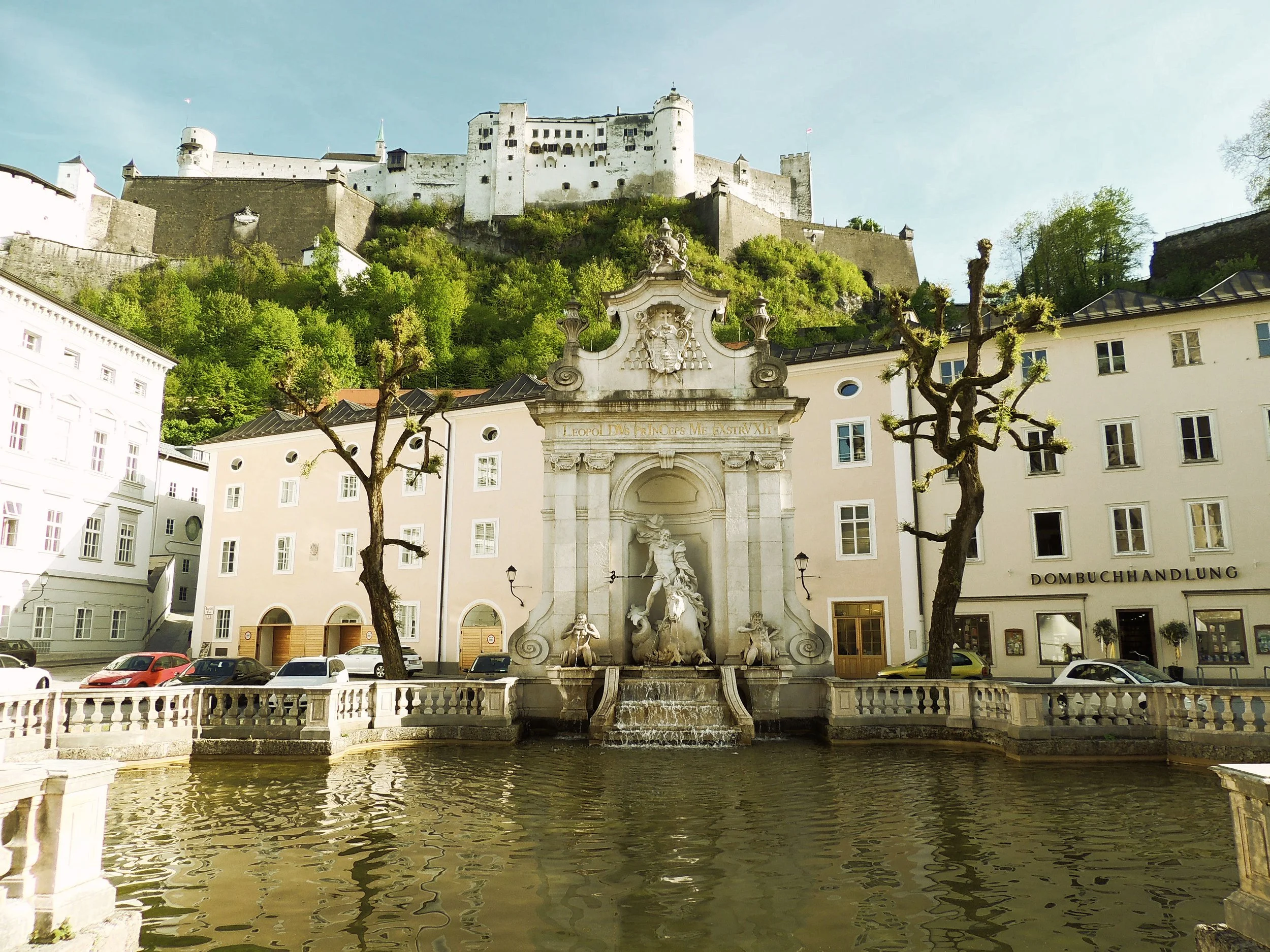
Salzburg offers alpine beauty combined with cultural depth. Known for its musical heritage, the city also charms visitors with baroque architecture, scenic riverside walks and mountain backdrops. The old town feels compact and walkable, allowing travellers to experience its highlights without rush.
Beyond its classical reputation, Salzburg invites exploration through markets, neighbourhood cafés and countryside excursions. It feels refined yet welcoming, offering elegance without the intensity of larger cultural capitals.
Bologna- Italy
While Rome and Florence draw global attention, Bologna quietly delivers one of Italy’s richest culinary and academic traditions. The city’s portico lined streets provide shade and character, while local trattorias serve deeply regional cuisine rooted in tradition.
Bologna feels lived in rather than staged. Markets buzz with everyday life, students fill public squares and food remains central to social connection. For travellers seeking Italy beyond crowds, Bologna offers warmth, flavour and authenticity.
Why Smaller Cities Matter
Smaller European cities allow travellers to engage more deeply with place. Without packed schedules or long queues, there is time to notice details, talk to locals and discover personal favourites. Museums feel less rushed, meals feel more meaningful and walking becomes the primary way of understanding a city.
These destinations also offer better value, with accommodation dining and experiences often more affordable than in major capitals. More importantly, they encourage travellers to experience Europe as a collection of cultures rather than a list of famous landmarks.
Planning Your Visit
Smaller cities are often well connected by rail, making them easy to combine into multi destination itineraries. Travelling during shoulder seasons enhances the experience, offering pleasant weather and fewer visitors.
Choosing locally owned accommodations and guided experiences supports communities and deepens cultural understanding. These cities reward curiosity and flexibility, inviting travellers to explore beyond guidebook highlights.
Final Thoughts
Europe’s charm does not end with its biggest cities. In many ways, it begins where crowds thin and everyday life continues at a gentler pace. Small European cities deliver big experiences through authenticity, beauty and connection, offering travellers a richer way to explore the continent beyond the obvious.


