Travel Etiquette 101: Small Habits That Make You a Better Traveller

Learn essential travel etiquette tips to respect local cultures, avoid common mistakes, and become a thoughtful traveller on every journey.
Travelling is about more than simply visiting new places. Every destination has its own culture, traditions, and way of life, and as visitors, the way we interact with them matters just as much as the sights we see. Good travel isn't only about collecting memories—it's about leaving behind a positive impression wherever you go.
The best part is that being a respectful traveller doesn't require grand gestures. Often, it's the smallest habits that make the biggest difference. Whether you're wandering through the streets of Kyoto, relaxing on the beaches of Bali, or exploring a Himalayan village, a little awareness goes a long way.
Learn Before You Leave
One of the simplest ways to travel respectfully is to spend a little time learning about your destination before you arrive. Understanding local greetings, cultural customs, dress codes, and dining etiquette helps you avoid unintentionally offending the people who call that place home.
Learning a few simple phrases like hello, thank you, or please in the local language can also create warmer interactions. Even if your pronunciation isn't perfect, locals usually appreciate the effort because it shows genuine interest in their culture.
Respect Local Culture and Sacred Spaces
Every destination has traditions worth respecting, and understanding them is an important part of responsible travel. Whether you're visiting temples in Bali, shrines in Japan, churches across Europe, or monasteries in Ladakh, taking a moment to learn local customs is a simple way to show consideration.
Many religious sites require modest clothing, quiet behaviour, or removing your shoes before entering. These customs may differ from what you're used to, but following them reflects respect for local beliefs and communities.
The same courtesy applies to museums, memorials, and historic landmarks. Rather than treating them as backdrops for social media, take a moment to appreciate their history and significance. As travellers, we don't just represent ourselves—we also represent our country.
Ask Before Taking Photos
Photographs are some of the best travel souvenirs, but not every moment needs to be captured through a camera. Before photographing local people, especially in villages, markets, or places of worship, it's always polite to ask for permission.
Many museums, temples, and heritage sites also have photography restrictions. Looking for signs or asking a guide before taking pictures helps you respect local rules while avoiding uncomfortable situations.

Be Mindful of Shared Spaces
Good travel etiquette also means being considerate in shared spaces. Whether you're on a train in Switzerland, waiting at an airport, or staying in a hotel, small actions can make everyone else's journey more enjoyable.
Keeping your voice down, using headphones instead of playing videos aloud, respecting queues, and avoiding blocked walkways are simple habits that show consideration for both locals and fellow travellers. A little patience often goes much further than people realise.
Support the Places You Visit
One of the most meaningful ways to travel responsibly is to support local communities. Choosing a family-run café in Vietnam, hiring a local guide in Rajasthan, or shopping from artisan markets instead of mass-produced souvenir stores helps your travel spending directly benefit the people who make each destination unique.
The same mindset applies to the environment. Dispose of waste responsibly, carry a reusable water bottle where possible, avoid disturbing wildlife, and stay on marked trails while exploring nature. These small choices help preserve destinations for future generations.
Small Habits That Make a Big Difference
Sometimes, being a better traveller comes down to a few simple habits:
- Dress respectfully, especially when visiting religious or cultural sites.
- Queue patiently, even when attractions are busy.
- Learn local tipping customs, as they vary from country to country.
- Keep public spaces clean by disposing of your waste responsibly.
- Follow local rules, even if they're different from those at home.
- Be open-minded, remembering that different doesn't mean wrong.
Individually, these actions may seem small. Together, they help create a more welcoming experience for everyone.
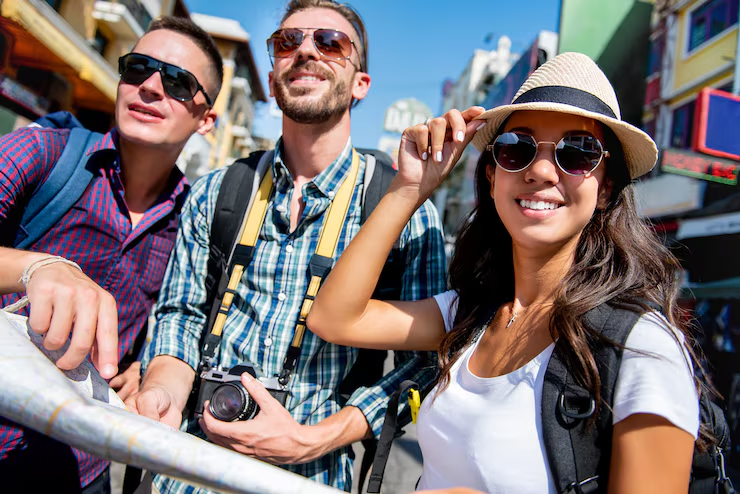
Travel With Curiosity, Not Comparison
Perhaps the most valuable travel habit is keeping an open mind. Every destination has its own pace, traditions, and way of life, and part of the joy of travelling is embracing those differences instead of comparing everything to home.
Dinner may be served later than you're used to in Spain, public transport may operate differently in Singapore, and daily routines may feel slower in parts of Italy. Rather than expecting destinations to adapt to you, adapting to local culture often leads to richer and more memorable experiences.
After all, travel isn't just about discovering new places—it's also about discovering new perspectives.
Final Thoughts
Great travel isn't measured by the number of countries you've visited. It's measured by the respect, kindness, and curiosity you show wherever you go. Often, the smallest gestures—a smile, a polite greeting, or taking the time to understand local customs—leave the strongest impressions.
At ACMA Holidays, we believe the most memorable journeys are built on meaningful connections with the people and places you visit. Because the best travellers aren't remembered for how many stamps they collect—they're remembered for the positive impression they leave behind.


