Village Tourism in India: Authentic Rural Experiences Beyond Luxury Resorts
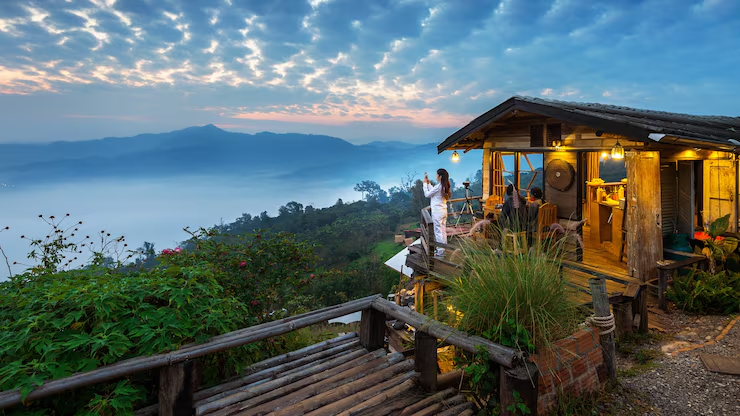
Discover India's most authentic village tourism experiences, from rural homestays to cultural immersion, beyond traditional resort travel.
In recent years, travelers have started seeking experiences beyond luxury stays and curated itineraries. While resorts offer comfort and convenience, many now look for deeper connections, local culture, and meaningful experiences. This shift has fueled the rise of village tourism in India, where visitors can experience traditional customs, rural hospitality, and everyday life firsthand.
Home to centuries old traditions, indigenous crafts, and unique lifestyles, India's villages offer an authentic alternative to conventional holidays. For travelers seeking genuine cultural experiences, village tourism provides a refreshing way to explore the country.
Why Village Tourism Is Gaining Popularity
Modern travelers increasingly value experiences over possessions. Rather than simply visiting a destination, many want to understand how people live, eat, work, and celebrate. Village tourism provides opportunities for cultural immersion that are difficult to replicate in urban centers or luxury resorts.
Many rural tourism initiatives also support local communities by generating income, preserving traditional crafts, and encouraging sustainable development. As a result, travelers can enjoy enriching experiences while contributing positively to local economies.
This growing interest aligns with global trends toward slow travel, responsible tourism, and meaningful exploration.
Hodka Village, Gujarat
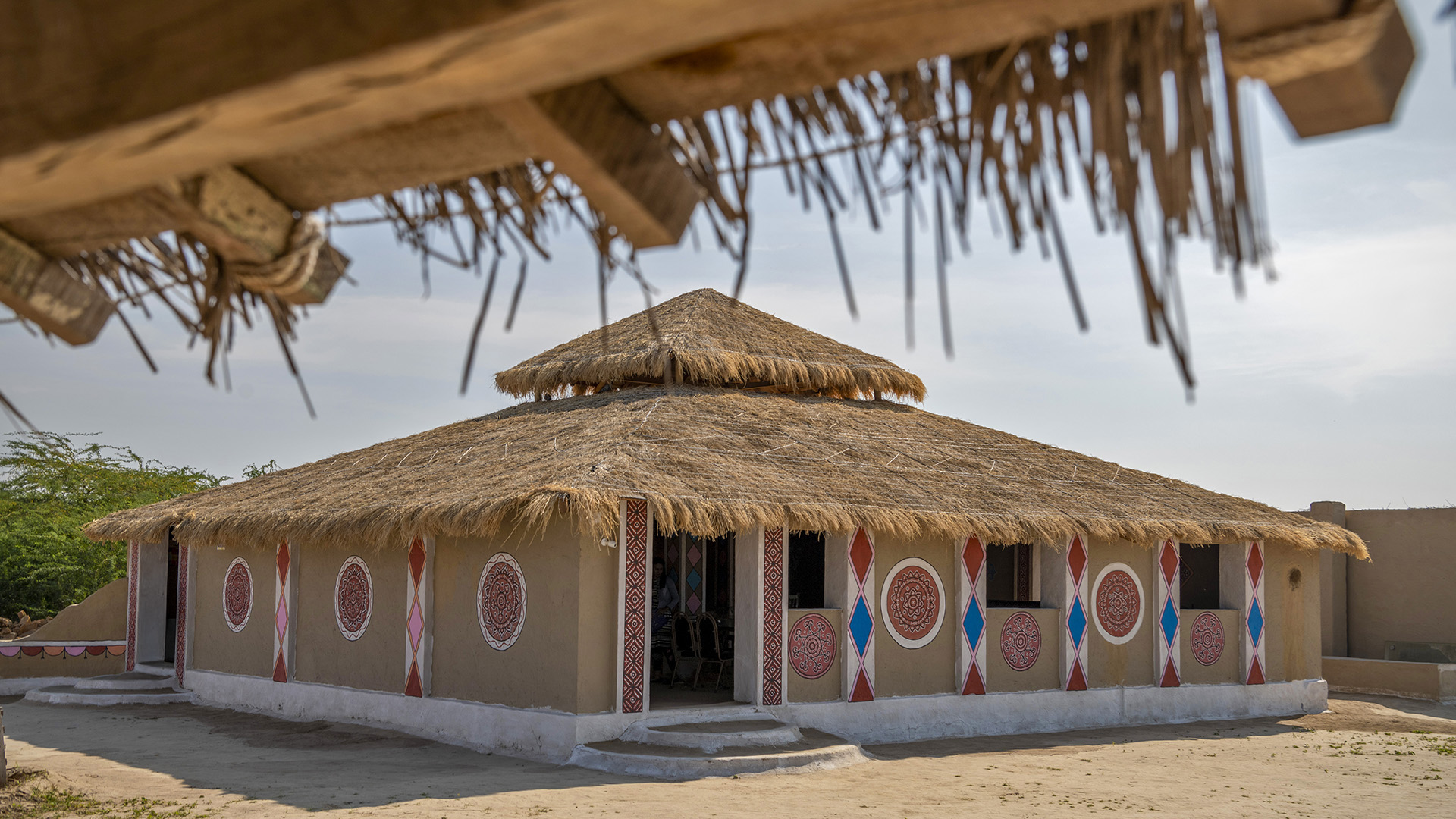
Located near the edge of the Great Rann of Kutch, Hodka Village offers visitors a chance to experience the rich cultural heritage of Kutch. Known for its traditional mud houses called bhungas, intricate handicrafts, and warm hospitality, the village provides an authentic glimpse into rural life in western India.
Visitors can interact with local artisans skilled in embroidery, leatherwork, and textile production. The region's distinctive architecture, developed to withstand harsh desert conditions, adds another layer of fascination to the experience.
The combination of local culture, craftsmanship, and desert landscapes makes Hodka one of India's most rewarding community based tourism destinations.
Mawlynnong, Meghalaya
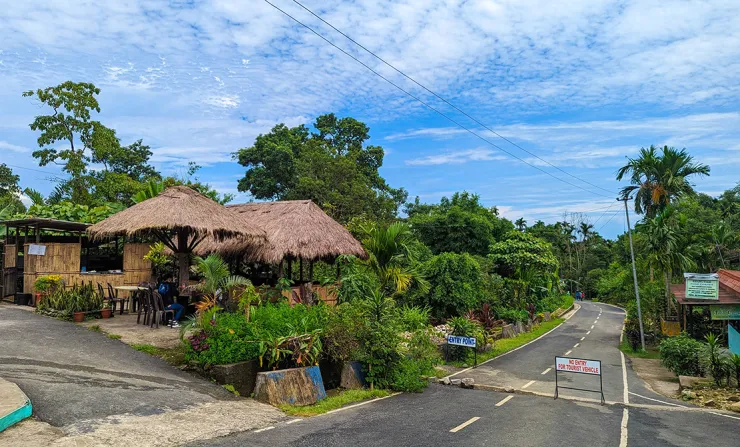
Often referred to as one of Asia's cleanest villages, Mawlynnong has become a model for sustainable tourism. Situated in Meghalaya's lush hills, the village is known for its cleanliness, community participation, and eco friendly practices.
Travelers can explore nearby living root bridges, interact with local Khasi communities, and experience a way of life deeply connected to nature. The village demonstrates how tourism and environmental stewardship can coexist successfully.
For visitors seeking peaceful surroundings and meaningful cultural interactions, Mawlynnong offers a unique blend of sustainability and rural charm.
Pochampally, Telangana
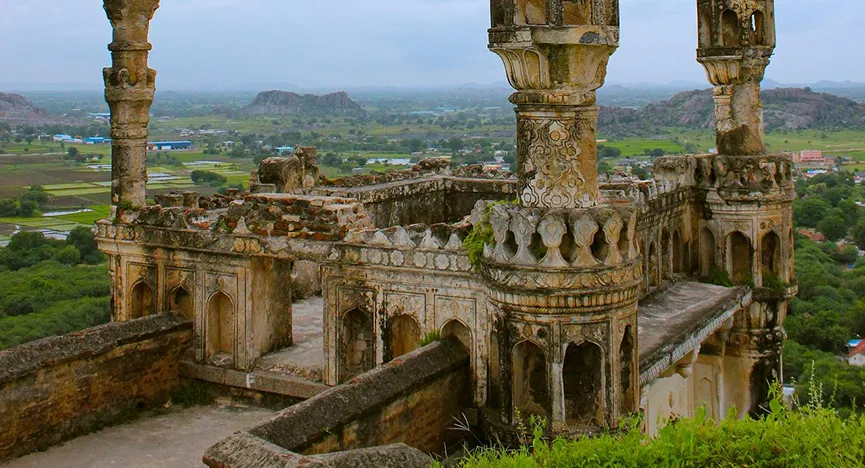
Recognized for its world famous handwoven textiles, Pochampally is often called the Silk City of Telangana. The village is particularly renowned for its Ikat weaving tradition, which has been practiced for generations.
Visitors can observe artisans at work, learn about the complex dyeing and weaving process, and gain insight into one of India's most celebrated textile traditions. The experience provides a deeper appreciation of the craftsmanship behind products often seen only in retail stores.
Pochampally demonstrates how village tourism can help preserve traditional arts and crafts while creating sustainable livelihoods for local communities.
Sualkuchi, Assam
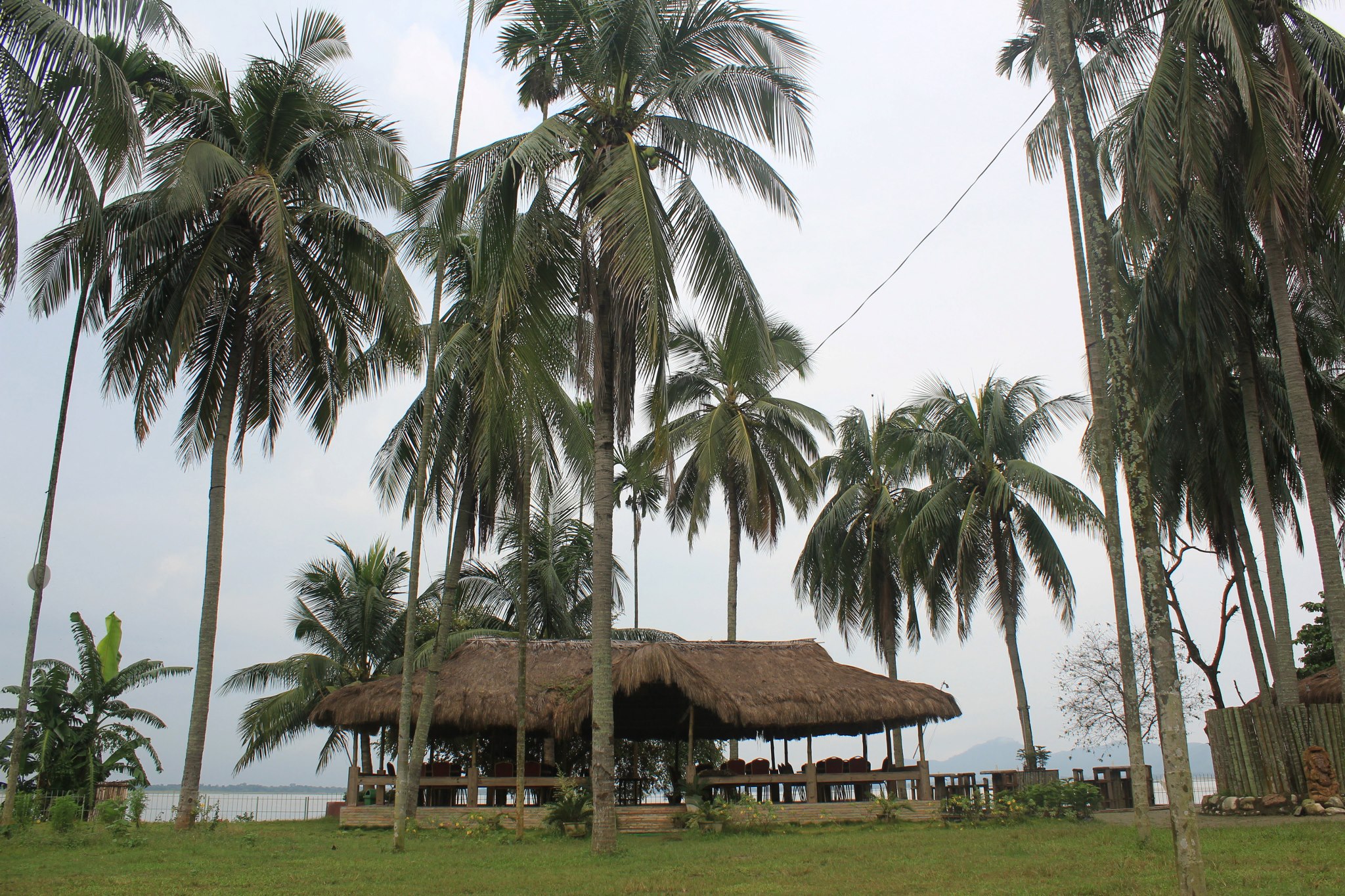
Located along the banks of the Brahmaputra River, Sualkuchi is widely known as Assam's silk weaving hub. The village produces some of India's finest Muga, Eri, and Pat silk fabrics, many of which are woven using techniques passed down through generations.
Travelers can visit weaving centers, interact with artisans, and witness the intricate processes involved in creating Assam's renowned silk products. Beyond weaving, visitors can also experience the region's rich cultural traditions and riverside landscapes.
Sualkuchi offers an excellent example of how heritage preservation and tourism can support each other.
Khonoma, Nagaland
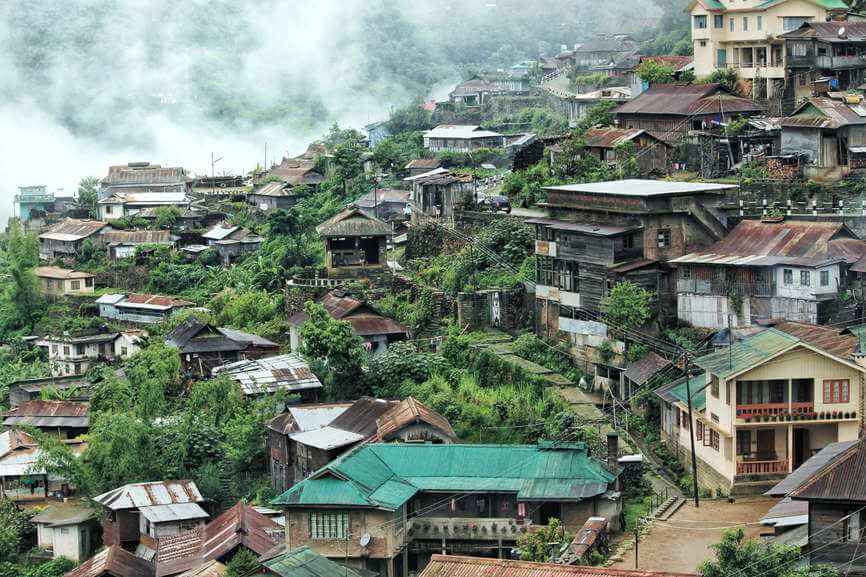
Often regarded as India's first green village, Khonoma combines natural beauty with strong conservation practices. Located near Kohima, the village is home to the Angami Naga community and is known for its terraced farming, traditional architecture, and environmental initiatives.
Visitors can participate in guided village walks, learn about local history, and experience traditional Naga cuisine. The community's commitment to conservation has helped preserve biodiversity while promoting responsible tourism.
Khonoma appeals to travelers interested in ecotourism, cultural heritage, and sustainable travel experiences.
What Makes Village Tourism More Meaningful?
Unlike many resort experiences, village tourism encourages direct interaction with local communities. Travelers often participate in everyday activities, share meals with residents, and gain insight into regional traditions that cannot be experienced through sightseeing alone.
These interactions create opportunities for genuine cultural exchange while fostering a greater understanding of India's diversity. Whether learning a traditional craft, exploring agricultural practices, or participating in local festivals, travelers often leave with memories that feel more personal and meaningful.
This is why many travelers increasingly view village tourism as a form of experiential travel rather than simply a vacation.
Travel Responsibly in Rural India
As village tourism grows, responsible travel becomes essential. Visitors should respect local customs, seek permission before photographing individuals, and support local businesses wherever possible.
Choosing community led experiences, purchasing directly from artisans, and engaging respectfully with local traditions can help ensure tourism benefits residents while preserving the authenticity of rural destinations.
Responsible tourism helps maintain the cultural and environmental integrity that makes these villages special in the first place.
Final Thoughts
India's villages offer a side of travel that is often overlooked but deeply rewarding. Beyond luxury resorts and popular tourist attractions, rural destinations provide opportunities for cultural immersion, meaningful connections, and authentic experiences that stay with travelers long after the journey ends.
From the craft traditions of Pochampally and Sualkuchi to the sustainable communities of Mawlynnong and Khonoma, village tourism reveals the richness and diversity of India's living heritage. With ACMA, these unique rural experiences can become part of thoughtfully curated journeys that combine discovery, culture, and unforgettable memories.


